SOUTH AFRICA
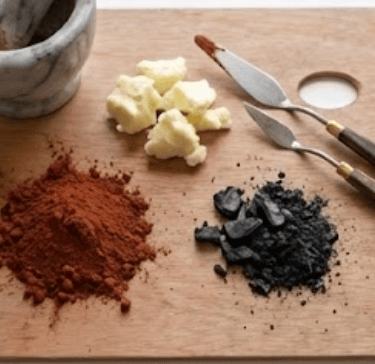
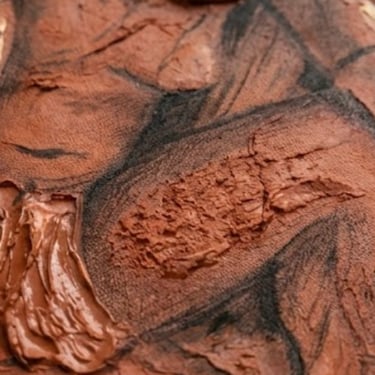
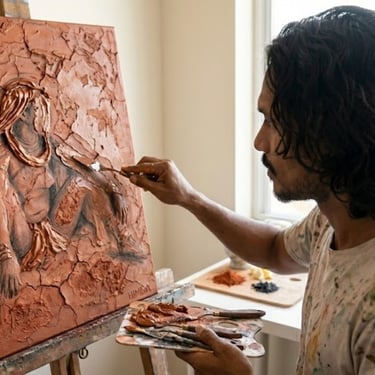
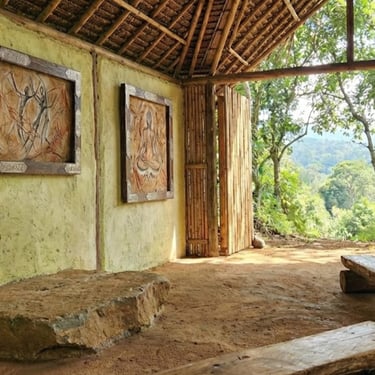
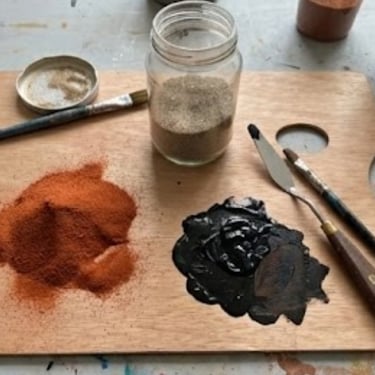
Before the gold of the temples or the silence of the studio, there was the red dust of Africa. Spanning South Africa, Namibia, and Kenya, this collection documents the genesis of the Archives, a deliberate return to the 'Cradle of Humankind.' This Odyssey was an unlearning. Stripping away the refined tools of the academy, Raajashri embraced the raw, unfiltered elements of the earth: Volcanic Soil, Charcoal, and Ochre. This is not art about nature; it is the physical extraction of nature. It explores the primal vibration of the land, the martial rhythm of the tribes, and the stark, beautiful architecture of survival
ISIHLANGU (THE SHIELD)
Provenance & Narrative:
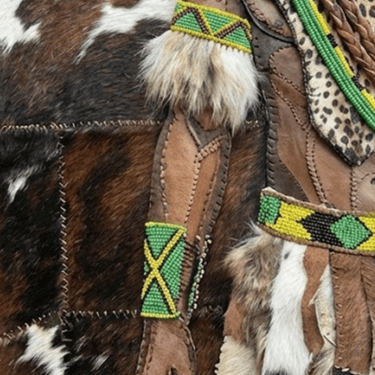
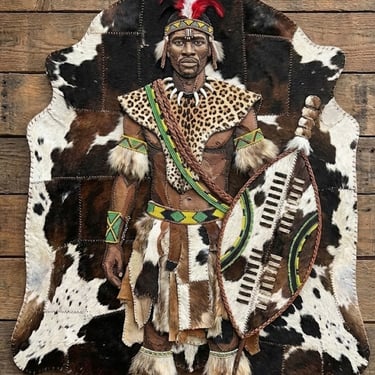
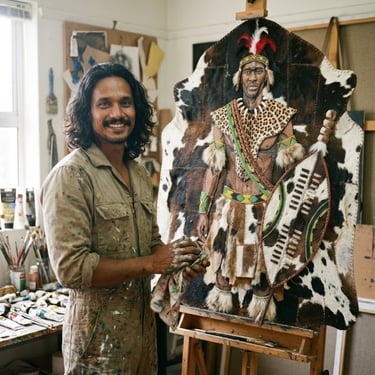
The Zulu nation is built on the legacy of Shaka; the warrior king who revolutionised warfare with the short spear (Assegai) and the large shield (Isihlangu). This piece abstracts the shield not just as a weapon, but as an identity. It represents protection, lineage, and the martial discipline that defines the tribe.
Material Architecture:
Medium: Mixed Media, Authentic Cowhide Scraps, Leather & Glass Beads on Canvas.
Geographical Origin: South Africa.
Era: The Foundation (2013)
Archive Ledger: #AF001: The Hide of The Warrior (Zulu)
THE SANGOMA’S MAT (AMADLOZI)
Provenance & Narrative:
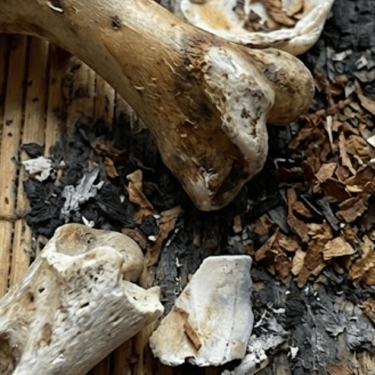
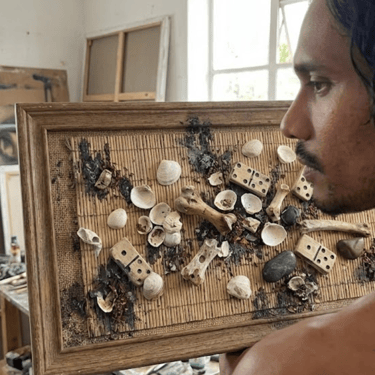
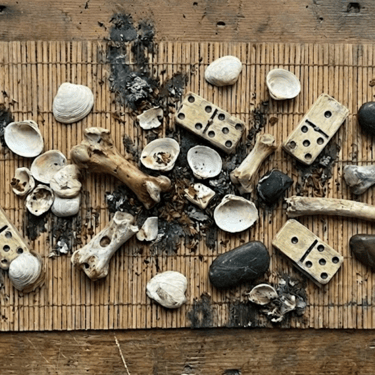
In the deep traditions of South Africa, the divine is accessed through the Ancestors (Amadlozi), with the Sangoma (traditional healer) acting as the conduit. This artwork captures a reading session in a dimly lit hut. It explores the profound concept that there is no 'coincidence'; the seemingly chaotic scattering of bones actually reveals the highly structured, unseen will of the spirits, an ancient algorithm of human fate.
Material Architecture:
Medium: Oil, Impala Knuckle Bones, Wood Ash & Raw Tobacco on Burlap.
Geographical Origin: South Africa.
Era: The Foundation (2013)
Archive Ledger: #AF002: The Throwing of Bones (Amadlozi)
EGOLI (THE DEEP VEIN)
Provenance & Narrative:
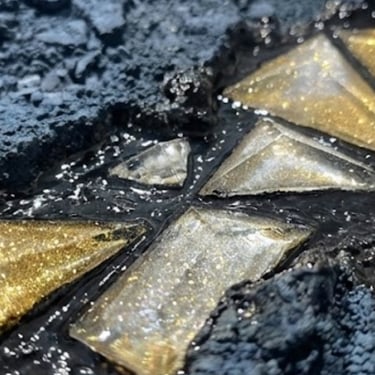
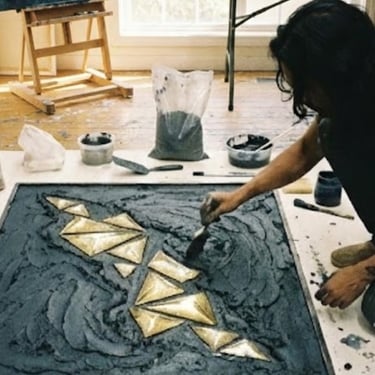
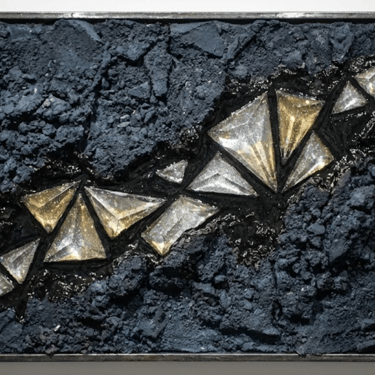
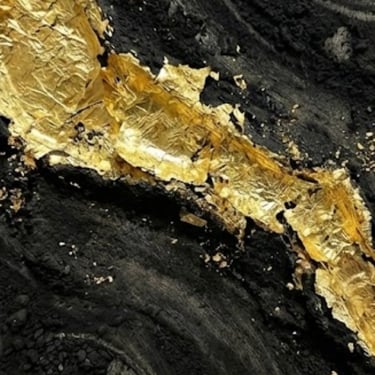
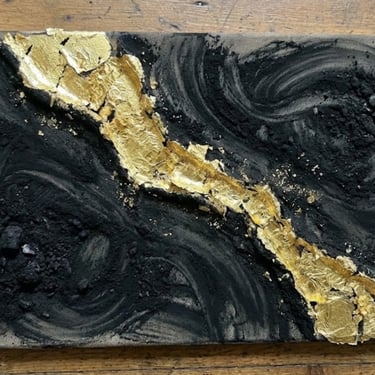
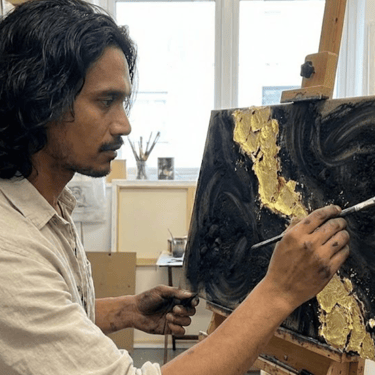
Johannesburg is named Egoli; The Place of Gold. The entire metropolis is built atop the deepest mining veins in the world. This piece explores the heavy cost of wealth and the extraction of value from the earth. It creates a stark visual friction, contrasting the crushing, suffocating darkness of the coal mines with the brilliant, unforgiving flash of the mineral that built, and divided—a nation.
Material Architecture:
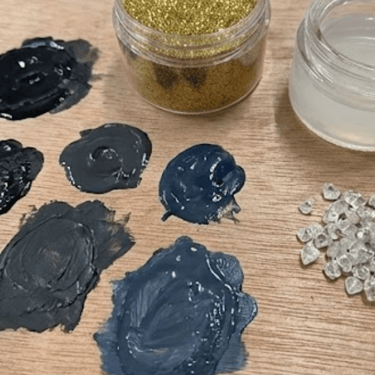
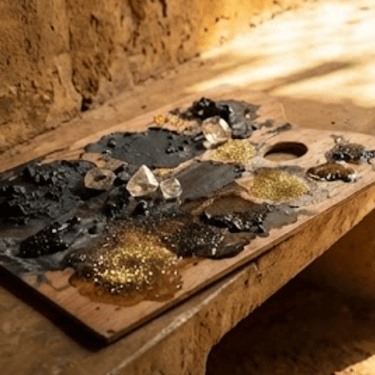
Medium: Charcoal, Coal Dust & 24k Gold Leaf on Canvas.
Geographical Origin: Johannesburg (Gold Reef City), South Africa.
Era: The Foundation (2013)
Archive Ledger: #AF003: The City of Gold
FALSE BAY (THE SHADOW)
Provenance & Narrative:
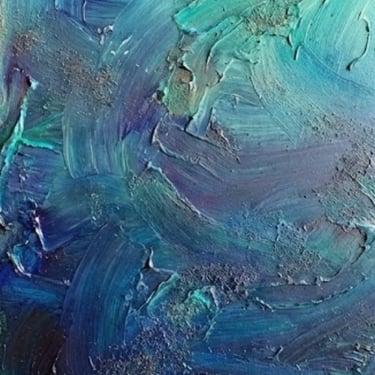
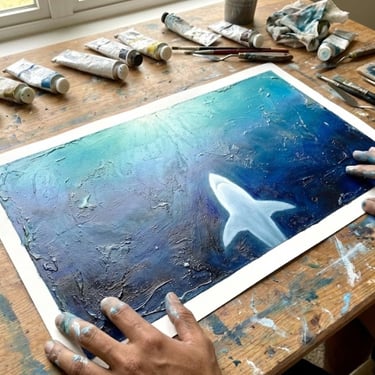
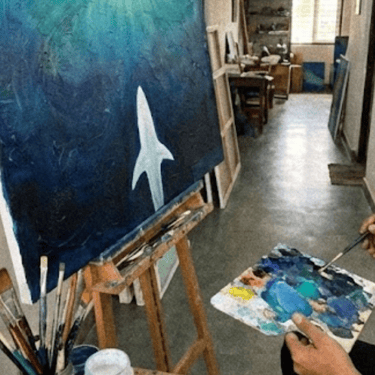
South Africa's jagged coast is the undisputed realm of the Great White. In 2013, the freezing waters of False Bay were their primary hunting ground. This artwork explores the psychological concept of 'The Apex.' It captures the heavy silence of the predator, the primal, neuro-aesthetic feeling of being suspended in the water, acutely aware that something ancient, perfect, and unseen is navigating beneath you.
Material Architecture:
Medium: Oil, False Bay Sea Water & Cold Wax on Linen.
Geographical Origin: South Africa.
Era: The Foundation (2013)
Archive Ledger: #AF004: The Apex Predator (Great White Shark)
CAPE OF STORMS (THE TABLE)
Provenance & Narrative:
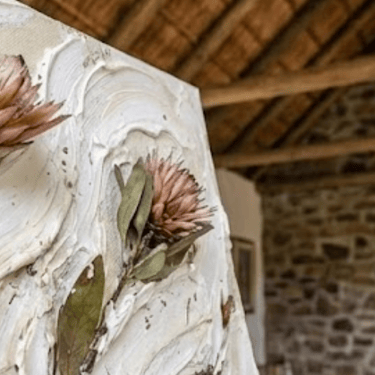
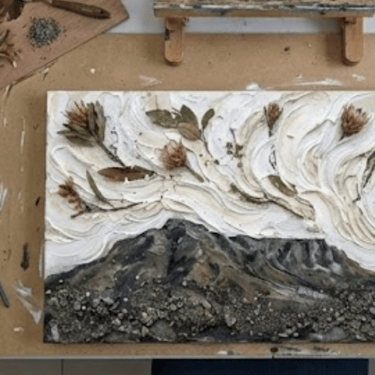
Cape Town was originally charted by explorers as the 'Cape of Storms.' The defining geographic image of the region is not just the mountain itself, but the massive cloud formation, the 'tablecloth' that swallows it. This piece captures the invisible architecture of the wind. It is a study of how elemental fluid air shapes solid rock, creating an isolated micro-climate that exists nowhere else on earth.
Material Architecture:
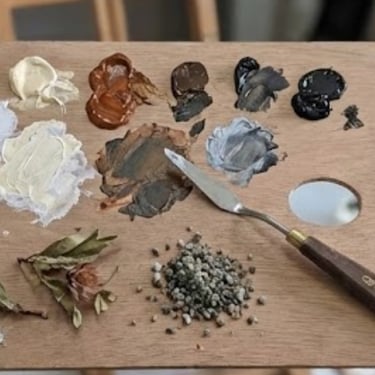
Medium: Acrylic, Mountain Fynbos (indigenous dried flora) & Granite Dust on Canvas.
Geographical Origin: Cape Town, South Africa.
Era: The Foundation (2013)
Archive Ledger: #AF005: The Table Cloth (Table Mountain)
NAMIBIA
Before the temples of stone, there were temples of sand. The journey begins here, in the oldest desert on Earth, where the divine is not hidden in a shrine, but exposed entirely in the geology. This chapter documents the 'Genesis' phase of the Archives, confronting the absolute silence of the Namib, the red earth of the Himba, and the spiritual trances of the San Bushmen. It is a profound study of survival in the void.
THE RED LINEAGE (HIMBA)
Provenance & Narrative:
In the remote Kunene region, the Himba women coat their skin and hair in Otjize; a mixture of butterfat and red ochre stone. This is not merely cosmetic; it is a sacred, physical connection to the earth and vital protection from the sun. Documenting Raajashri's time within the settlement, this piece immortalises the tribe's belief that the red of the earth and the red of the blood are the exact same sacred substance.
Material Architecture:
Medium: Red Ochre (Otjize), Butterfat & Charcoal on Linen.
Geographical Origin: Opuwo, Kunene Region, Namibia.
Era: The Genesis (2014).
Archive Ledger: #AF006: Otjize (The Himba Tribe Woman).
KAGGEN'S DANCE (THE TRANCE)
Provenance & Narrative:
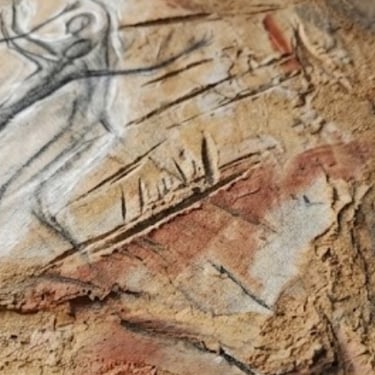
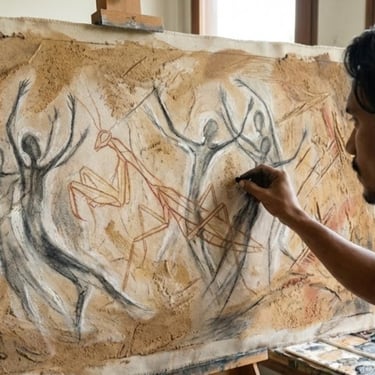
The San people (Bushmen) are the oldest inhabitants of Southern Africa, whose creator god often takes the form of a Mantis (Kaggen). Inspired by the ancient rock art of Twyfelfontein, this artwork explores the exact moment the shaman enters the spirit realm to heal the community. It is a visual retrieval of the very first concept of 'God' known to humanity.
Material Architecture:
Medium: Natural Rock Pigments, Charcoal & Sandstone Dust on Canvas.
Geographical Origin: Twyfelfontein / Kalahari Edge, Namibia.
Era: The Genesis (2014).
Archive Ledger: #AF007: The Mantis Dream (San Mythology).
OXIDATION (SOSSUSVLEI)
Provenance & Narrative:
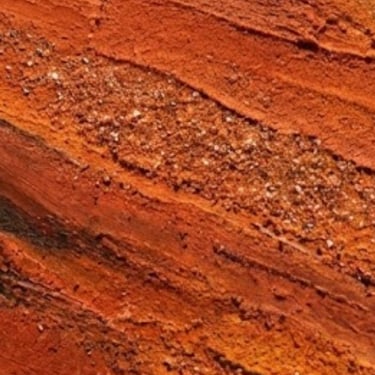
The monumental dunes of the Namib are red because they are quite literally rusting. Millions of years of oxidation have turned the sand into iron ore. This piece serves as a geological study of Hematite (Iron Oxide), capturing the monumental silence of Big Daddy Dune. By integrating actual Namib sand, the canvas burns with iron-red intensity, functioning as a meditation on the sheer scale of geological time.
Material Architecture:
Medium: Namib Red Sand (Iron Oxide) & Acrylic on Canvas.
Geographical Origin: Sossusvlei, Namib-Naukluft, Namibia.
Era: The Genesis (2014).
Archive Ledger: #AF008: The Iron Ocean (Namib Sand).
SURVIVOR OF THE VOID (ORYX)
Provenance & Narrative:
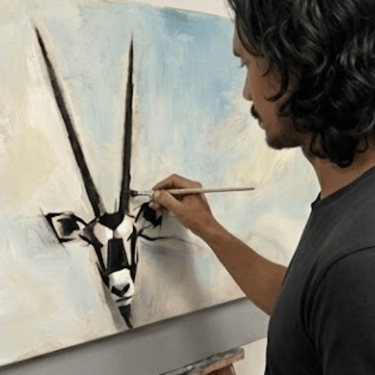
The Gemsbok (Oryx) is the undisputed spirit animal of the Namib desert. Capable of standing perfectly still in temperatures that would kill other beasts, it survives without water for weeks. This artwork captures the absolute stoicism of the animal. It is a study in 'Endurance', the executive ability to thrive and maintain form where nothing else can grow.
Material Architecture:
Medium: Oil, Dry Brush & Bone Black on Linen.
Geographical Origin: Damaraland, Namibia.
Era: The Genesis (2014).
Archive Ledger: #AF009: The Ghost Gazelle (Oryx).
THE FOG BELT (SKELETON COAST)
Provenance & Narrative:
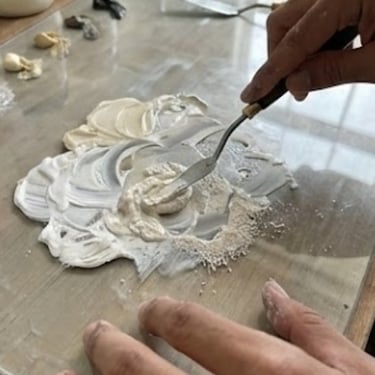
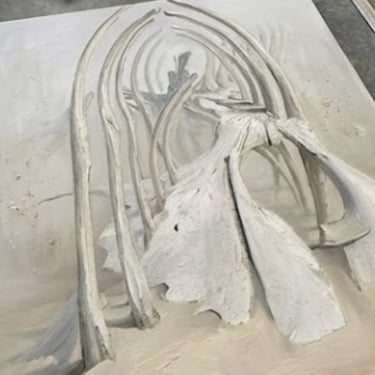
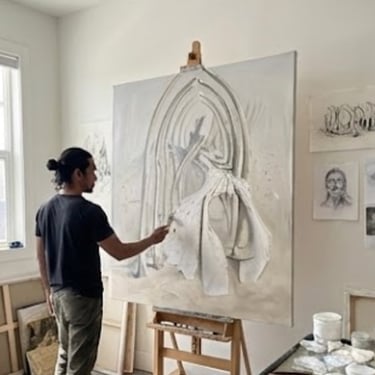
Long before ships ran aground here, this desolate coast was named for the bones of whales. The freezing Benguela current washes leviathan remains onto the burning sands, where the sun bleaches them into eternal monuments. Exploring the concept of 'Organic Architecture,' this piece contrasts the softness of the sea fog with the calcified permanence of vertebrae. It is a physical tribute to the giants resting where the ocean meets the desert.
Material Architecture:
Medium: Oil, Cold Wax, Crushed Sea Shells & Bleached Bone Dust on Linen.
Geographical Origin: Skeleton Coast (Torra Bay), Namibia.
Era: The Genesis (2014).
Archive Ledger: #AF010: The Graveyard of the Giants.
BOTSWANA
Leaving the desolate skeleton coast behind, the archives moved inland to the 'Jewel of the Kalahari.' Botswana is a geographical paradox, a desert that drowns every year. Here, the floodwaters flow not into the ocean, but directly into the sands, creating the Okavango Delta: a massive, breathing nervous system of life. This chapter explores the profound tension between the deep thirst of the Kalahari and the sudden, overwhelming flood of the Delta. It is a study of how life, and civilisation, gathers around the source.
THE SILENT POLE (MOKORO)
Provenance & Narrative:
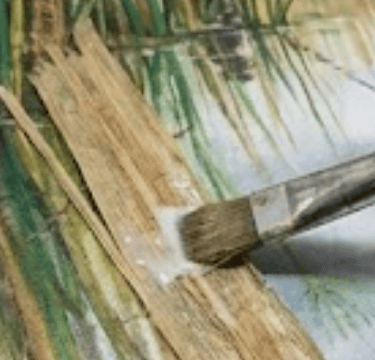
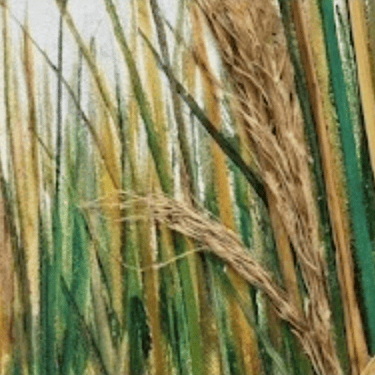
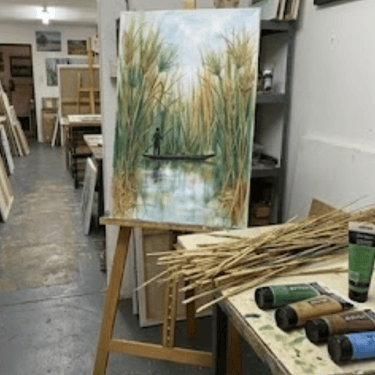
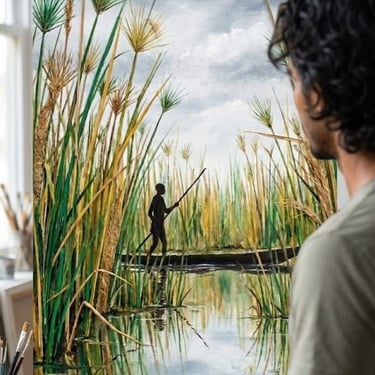
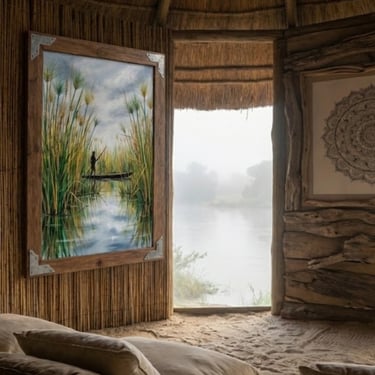
The Banoka (River Bushmen) do not fight the Delta's current; they glide over it. Navigating the hippo-filled channels with silent precision using the Mokoro (dugout canoe), they understand that to disturb the water is to invite death. This piece honors the 'Poler'; the guardian of the channels who stands while others sit, maintaining absolute equilibrium and vigilance in a volatile environment.
Material Architecture:
Medium: Acrylic, Authentic River Reeds, Papyrus Fiber & Raw Water from the Delta on Canvas.
Geographical Origin: Okavango Delta (Maun), Botswana.
Era: The Odyssey (2015).
Archive Ledger: #AF011: The River Walker (Banoka Tribe).
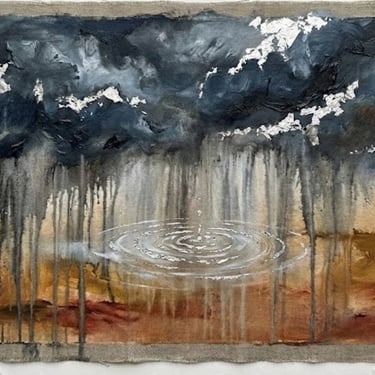
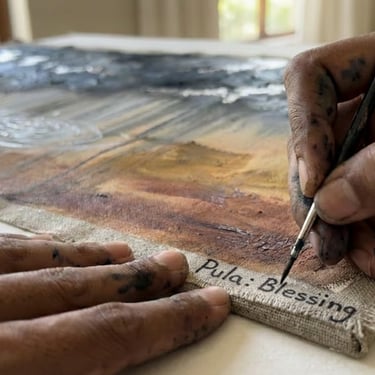
PULA : THE BLESSING
Provenance & Narrative:
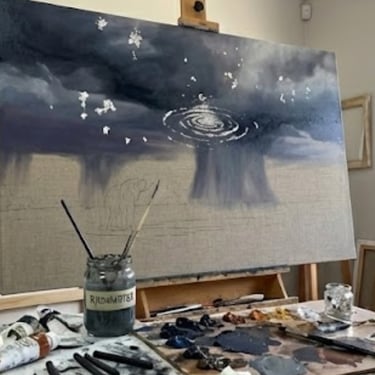
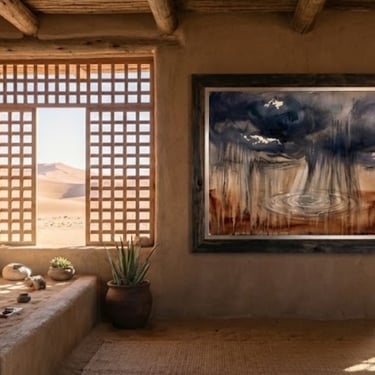
In Botswana, the word for 'Rain' and the word for 'Money' are identical: Pula. Water is the ultimate currency, and there is no greater deity than the rain cloud. This artwork acts as a physical prayer for the storm, capturing the visceral scent of wet earth (petrichor) and the collective, monumental sigh of the land when the dry season finally breaks.
Material Architecture:
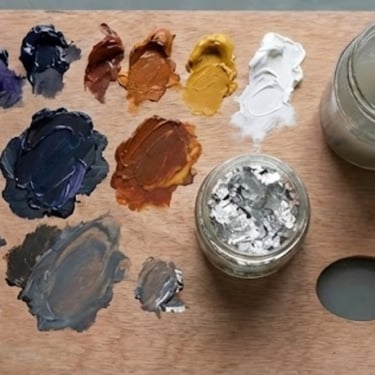
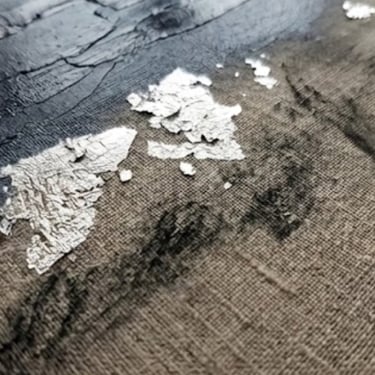
Medium: Oil, Silver Leaf, Natural Rainwater & Charcoal on Linen.
Geographical Origin: Central Kalahari Game Reserve, Botswana.
Era: The Odyssey (2015).
Archive Ledger: #AF012: The Rain Maker (Pula).
THE KIMBERLITE CORE (JWANENG)
Provenance & Narrative:
Botswana's true wealth lies hidden beneath the sand in the deepest diamond mines. But before the cut and the polish, a diamond is simply a stone in the mud. Exploring the executive concept of 'Hidden Value,' this piece utilises actual rock dust from the mining regions to engineer a surface that appears dull from afar, yet sparkles brilliantly upon close inspection, a profound metaphor for intrinsic worth.
Material Architecture:
Medium: Mixed Media, Crushed Kimberlite Rock, Diamond Dust & Black Oil on Canvas.
Geographical Origin: Jwaneng Region, Botswana.
Era: The Odyssey (2015).
Archive Ledger: #AF013: The Hidden Light (Diamond).
THE MATRIARCH (CHOBE)
Provenance & Narrative:
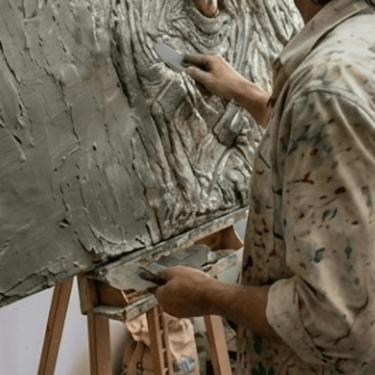
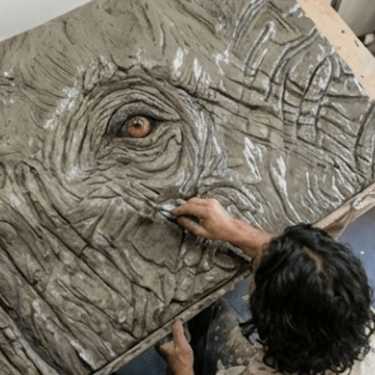
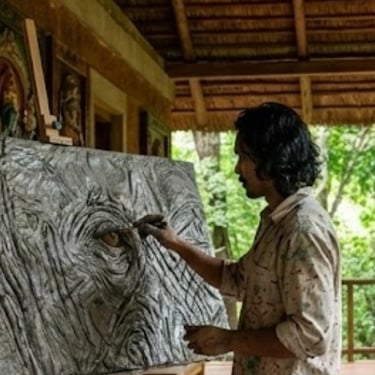
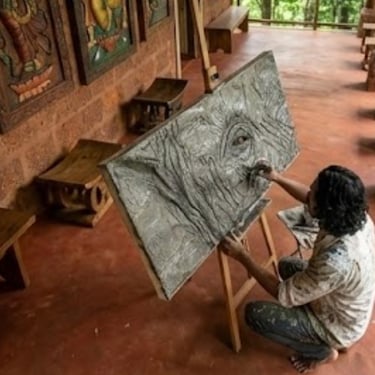
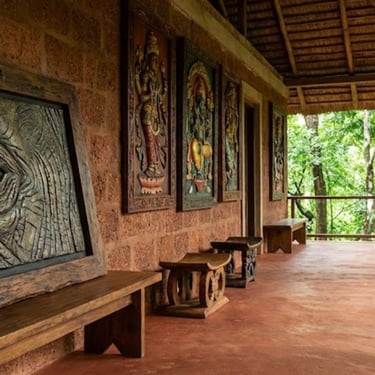
Botswana is the kingdom of the Elephant. In Chobe, they are not merely animals; they are the primary architects reshaping the forest. This piece abandons the traditional portrait to instead create a heavy landscape of skin. It honors the Matriarch, the keeper of generational memory whose very skin bears the structural map of every survived drought and river crossing.
Material Architecture:
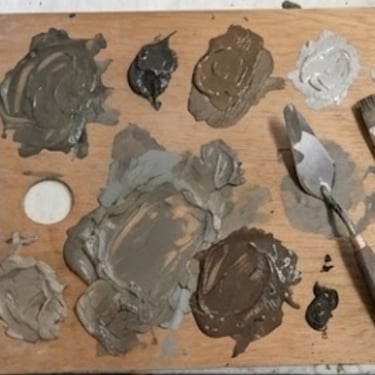
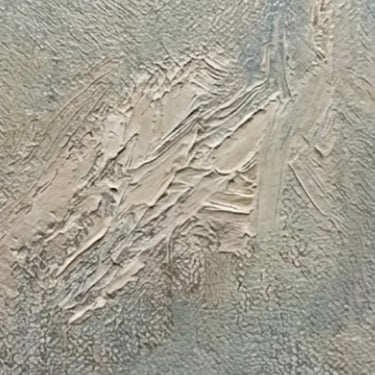
Medium: Heavy Impasto, Grey Mud (Chobe River) & Varnish on Canvas.
Geographical Origin: Chobe National Park, Botswana.
Era: The Odyssey (2015).
Archive Ledger: #AF014: The Grey Ghost (Elephant).
THE WHITE VOID (MAKGADIKGADI)
Provenance & Narrative:
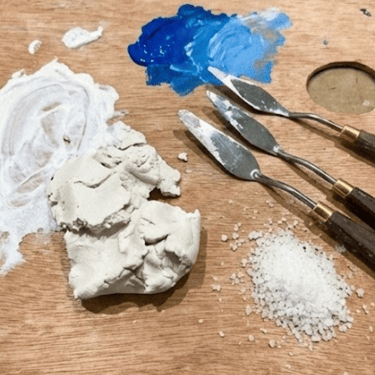
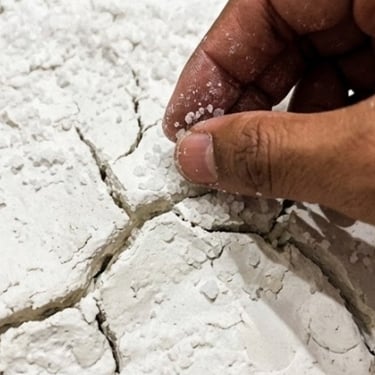
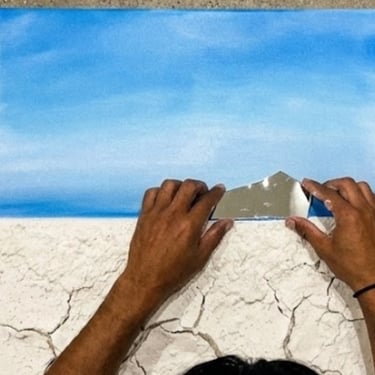
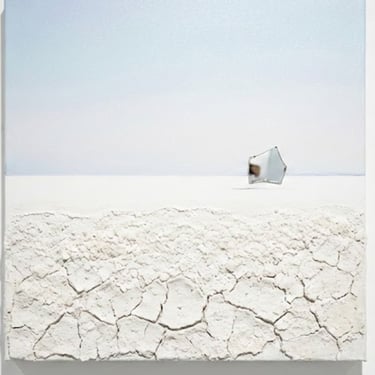
The Makgadikgadi Pans are the stark remains of a super-lake that evaporated thousands of years ago. It is a place of absolute sensory deprivation and disorientation, so vast that the curve of the earth becomes visible, This artwork explores the concept of the 'Void'—standing on the pan, devoid of sound, life, or perspective, simulating the psychological weight of standing on the lunar surface.
Material Architecture:
Medium: Mixed Media, Pan Salt, White Clay & Mirror Fragments on Canvas.
Geographical Origin: Makgadikgadi Salt Pans, Botswana.
Era: The Odyssey (2015).
Archive Ledger: #AF015: The Lunar Surface (Makgadikgadi).